Tips for Creating a Productive Home Office Environment
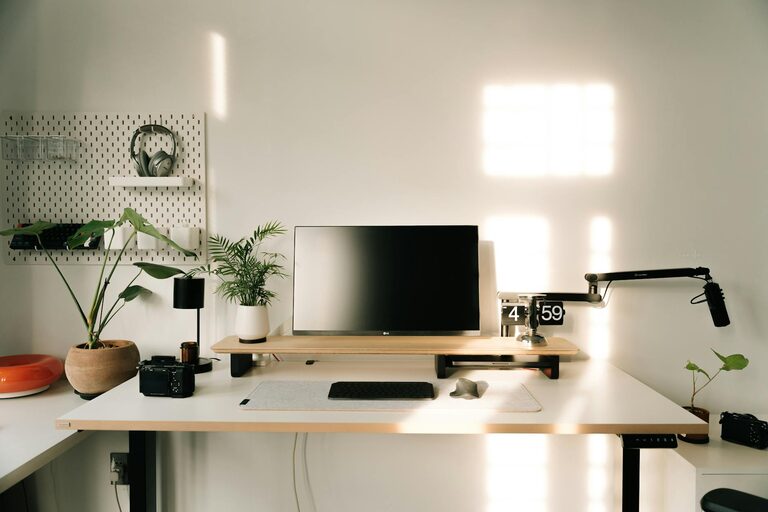
Creating a productive home office environment can significantly impact your work efficiency and overall well-being, especially if you work remotely or spend several hours a day at your desk. A well-organised, comfortable space helps you stay focused, reduces distractions, and promotes a healthy work routine. Whether you’re setting up a new workspace or improving an existing one, these tips will guide you through creating a home office that supports productivity and creativity.
Choose the Right Location
The first step in creating a productive home office is selecting an appropriate spot. Consider the following factors:
– Natural Light: Aim for a space near a window to benefit from daylight. Natural light improves mood and reduces eye strain.
– Quiet Area: Avoid noisy or high-traffic areas where distractions are common.
– Separate Space: If possible, designate a room or a corner away from your personal and family activities to help mentally separate work from home life.
Invest in Ergonomic Furniture
Comfortable furniture is key to staying productive without risking your health. Here’s what to focus on:
– Desk: Choose a desk that fits your space and can comfortably hold your computer, monitor, and other supplies.
– Chair: Select an ergonomic chair with lumbar support, adjustable height, and armrests to maintain good posture.
– Monitor Position: Position your monitor so the top is at eye level and about an arm’s length away to avoid neck and eye strain.
Keep Your Workspace Organised
A clutter-free environment allows for better concentration and efficiency. Consider these organisation tips:
– Declutter Regularly: Clear your desk of unnecessary items at the end of each day.
– Use Storage Solutions: Utilise shelves, drawers, or organisers to keep supplies and paperwork tidy.
– Cable Management: Use clips, ties, or cable trays to prevent cords from tangling and creating a mess.
Optimise Lighting
Proper lighting reduces fatigue and improves focus. To optimise lighting in your home office:
– Combine Natural and Artificial Light: Use natural daylight complemented by adjustable task lighting such as desk lamps.
– Avoid Glare: Position monitors so they don’t reflect light from windows or bright lamps.
– Choose the Right Bulbs: Soft white or cool white bulbs can create a comfortable working atmosphere.
Minimise Distractions
Staying focused at home can be challenging. Here are ways to reduce interruptions:
– Set Boundaries: Inform household members of your work schedule to minimise disturbances.
– Use Noise-Cancelling Headphones: These can help block out background noise.
– Limit Digital Distractions: Use apps or browser extensions to block social media or non-work-related sites during work hours.
Personalise Your Space Wisely
Adding personal touches can make your workspace inviting but avoid overdoing it:
– Inspiring Decor: Choose artwork, plants, or photos that motivate and make you feel comfortable.
– Keep It Functional: Avoid too many items that might clutter the space or distract you.
– Adjust for Seasons: Small changes to lighting or decor can brighten your mood throughout the year.
Maintain a Routine and Organise Your Time
A productive workspace is part of a bigger picture that includes good time management:
– Set Specific Work Hours: Try to start and finish work at consistent times.
– Plan Breaks: Short breaks increase productivity and prevent burnout. Use them to stretch or get fresh air.
– Use To-Do Lists or Planners: Organise your tasks to stay on track and prioritise important work.
Ensure Good Air Quality and Temperature
The physical comfort offered by your environment impacts your focus:
– Ventilation: Open windows or use air purifiers to keep the air fresh.
– Temperature: Maintain a comfortable temperature, not too hot or cold, to avoid discomfort.
– Add Plants: Indoor plants can improve air quality and add a calming element.
Utilise Technology Tools Efficiently
Technology is essential but can also be a source of frustration if not properly set up:
– Reliable Internet: Ensure a fast and stable internet connection.
– Efficient Hardware: Use up-to-date computers, printers, and other peripherals to avoid slowdowns.
– Software Organisation: Use productivity apps, calendar tools, and cloud storage to streamline your workflow.
—
Designing a productive home office environment is not just about aesthetics—it’s about creating a space that supports your work style, comfort, and focus. By choosing the right location, investing in ergonomic furniture, keeping things organised, and minimising distractions, you set yourself up for success at home. Remember to take regular breaks and stay flexible, adapting your space and routine as needed to maintain productivity over time.