How to Create a Sustainable and Eco-Friendly Home Garden
Creating a garden that is both sustainable and eco-friendly is a rewarding way to connect with nature and reduce your environmental impact. Whether you have a small balcony or a large backyard, there are many steps you can take to cultivate a vibrant green space while conserving resources and supporting local wildlife.
In this post, we’ll explore practical tips for establishing a sustainable home garden, covering everything from soil care to water usage, choice of plants, and waste management. Let’s get started!
Why Choose a Sustainable Garden?
Sustainable gardening means using methods and materials that promote environmental health and resource efficiency. By adopting eco-friendly practices, you:
– Reduce waste and pollution
– Conserve water and improve soil quality
– Encourage biodiversity by attracting pollinators and beneficial insects
– Decrease reliance on harmful chemicals and synthetic fertilisers
Planning Your Eco-Friendly Garden
Assess Your Space and Conditions
Start by observing your garden’s unique characteristics:
– Sunlight exposure: note where sun and shade fall throughout the day
– Soil type and condition: consider getting a soil test to understand its pH and nutrient levels
– Wind patterns and drainage: observe how water moves and collects
Understanding these helps you select suitable plants and design your layout to optimise growth and sustainability.
Choose Native and Drought-Resistant Plants
Native plants are well adapted to your local environment and require less water, fertiliser, and pest control. Including drought-resistant species also conserves water, especially important during dry spells. Local garden centres or conservation groups can advise on native choices.
Mix Edible and Ornamental Plants
Growing your own vegetables, herbs, and fruit reduces food miles and packaging waste. Combining edible plants with flowers not only provides variety but also supports pollinators like bees and butterflies.
Building Healthy Soil Naturally
Healthy soil is the foundation of an eco-friendly garden.
Compost Organic Waste
Composting kitchen scraps and garden waste returns valuable nutrients to your soil, reduces landfill waste, and improves soil structure. Use a compost bin or heap, turning it regularly to speed decomposition.
Mulch to Retain Moisture and Suppress Weeds
Apply organic mulch such as bark chips, straw, or shredded leaves around plants. Mulch helps keep soil moist, reduces erosion, and minimises the need for chemical weed killers.
Avoid Synthetic Fertilisers and Pesticides
Opt for natural alternatives like well-rotted manure, seaweed extracts, or organic fertiliser blends. Introduce companion planting and encourage beneficial insects to keep pests under control without chemicals.
Water Wisely
Water is a precious resource; conserving it in your garden is essential.
Harvest Rainwater
Install a rainwater butt or barrels to collect water from downpipes. This reduces reliance on tap water and can be used to irrigate your plants during dry periods.
Water at the Right Time
Water your garden early in the morning or late in the evening to minimise evaporation. Focus on the base of the plants rather than overhead watering to prevent disease.
Use Drip Irrigation or Soaker Hoses
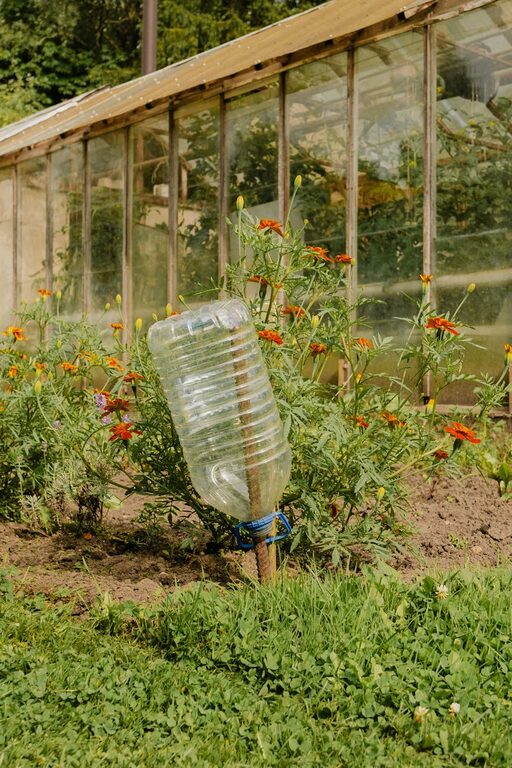
These systems deliver water directly to plant roots, cutting down on waste and helping soil absorb moisture efficiently.
Supporting Wildlife and Biodiversity
An eco-friendly garden is a haven for local wildlife.
Create Habitats
Incorporate features like bird feeders, insect hotels, and bug-friendly plants to welcome creatures that aid your garden’s health.
Avoid Pesticides That Harm Beneficial Insects
Many insects, such as ladybirds and lacewings, control pests naturally. Protect them by avoiding broad-spectrum pesticides.
Plant Pollinator-Friendly Flowers
Choose plants rich in nectar and pollen to support bees, butterflies, and other pollinators critical for plant reproduction.
Maintain Your Garden Sustainably
Use Tools Wisely
Maintain garden tools properly to extend their life. Choose manual tools where possible to reduce energy use.
Reuse and Recycle Materials
Repurpose containers, pots and garden decorations. Avoid single-use plastics; consider biodegradable or sustainable alternatives.
Rotate Crops and Practice Companion Planting
Changing the location of plants each season helps reduce soil depletion and pest build-up. Companion planting allows certain plants to boost each other’s growth or deter insects.
Final Thoughts
Creating a sustainable and eco-friendly garden is not just good for the planet but also deeply satisfying. By planning thoughtfully, nurturing your soil, using water efficiently, and supporting wildlife, you can enjoy a flourishing garden while caring for the environment. Start small, keep learning, and watch your green space thrive with nature in mind.