Simple Ways to Create a More Organised Home Office Space
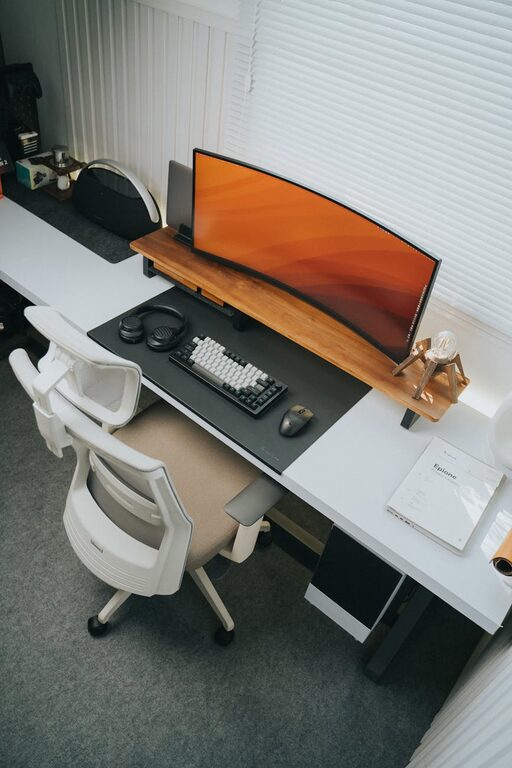
Creating an organised home office space can make a significant difference in your productivity and overall work experience. When your workspace is neat and well-structured, it’s easier to focus, manage tasks, and reduce stress. Whether you have a dedicated room or a small corner for your home office, these simple steps can help you create a more organised environment.
Assess Your Current Space
Before making changes, take a moment to evaluate your existing setup. Look around and ask yourself:
– What items do I use daily?
– What items can be stored away or removed?
– Where does clutter tend to accumulate?
This will give you a clear idea of what’s essential and what isn’t, allowing you to prioritise organisation efforts.
Declutter Regularly
One of the most effective ways to keep your office organised is by decluttering frequently. Here’s how:
– Sort papers: Use filing systems or digitalise documents to avoid piles of paper.
– Clear surfaces: Keep your desk surface as free as possible. Only keep necessary tools and devices on it.
– Discard or donate: Remove anything you no longer need, such as old stationery, broken gadgets, or outdated documents.
A decluttered space improves focus and ensures your mind remains clear.
Designate Specific Zones
Dividing your workspace into zones helps keep things tidy and finds a place for every item. Consider these zones:
– Work zone: Desk area where you complete most tasks.
– Storage zone: Shelves, drawers, or cabinets to hold supplies and files.
– Tech zone: Area for computers, printers, chargers, and other devices.
By defining these zones, you maintain organisation and reduce time spent searching for items.
Use Effective Storage Solutions
Investing in the right storage solutions makes organising easier and more efficient.
Desk Organisers
– Pen holders, trays, and small containers help keep stationery within reach.
– Use a desk drawer organiser to separate items like cables, sticky notes, and paper clips.
Shelving and Cabinets
– Open shelves allow you to display books and binders neatly.
– Lockable cabinets are great for confidential or less-used documents.
Filing Systems
– Labelled folders and binders help you retrieve documents quickly.
– Consider colour-coded files for different categories or projects.
Optimise Your Desk Layout
How you set up your desk impacts your daily comfort and efficiency.
– Position your monitor or laptop at eye level to avoid neck strain.
– Keep frequently used items, like your notepad or phone, within easy reach.
– Use cable organisers or clips to prevent wires from tangling.
Arrange your desk so it invites you to work while maintaining an uncluttered look.
Maintain Good Lighting
A well-lit workspace reduces eye strain and improves concentration.
– Utilise natural light where possible by positioning your desk near a window.
– Invest in a good quality desk lamp with adjustable brightness.
– Avoid glare on screens by arranging light sources thoughtfully.
Good lighting is not only practical but also makes your office space more inviting.
Create a Routine for Tidying Up
Organisation is an ongoing process. Set a daily or weekly routine to keep your office space in shape.
– Spend 5 minutes at the end of each day clearing your desk.
– Review and file paperwork regularly.
– Check supply levels and restock when needed.
Consistent upkeep prevents clutter from building up and keeps your space appealing.
Personalise Without Cluttering
Adding personal touches can make your home office more comfortable and inspiring.
– A small plant can bring freshness without taking up much space.
– Hang a calendar or motivational print on the wall.
– Use tasteful organisers and accessories that match your style.
Remember to balance personalisation with practicality to avoid overcrowding.
Make Use of Vertical Space
If your working area is limited, think vertically.
– Wall-mounted shelves and pegboards save desk space.
– Use hooks or hanging baskets to store cables, headphones, or stationery.
– Magnetic boards can hold notes and reminders without cluttering your desk.
Vertical organisation frees up valuable surface area while keeping essentials accessible.
Digital Declutter
Physical organisation goes hand in hand with digital organisation.
– Keep your computer desktop tidy by sorting files into folders.
– Use cloud storage for important documents to reduce paper usage.
– Regularly delete unnecessary files and emails.
A neat digital workspace complements a clean physical space, improving overall efficiency.
Conclusion
Creating an organised home office doesn’t have to be complicated. By assessing your current setup, decluttering regularly, using effective storage solutions, and maintaining good habits, you’ll craft a workspace where productivity and comfort thrive. Remember that small changes can have a big impact, so start simple and adjust as you go. Your organised home office will soon be an area you enjoy and look forward to working in every day.