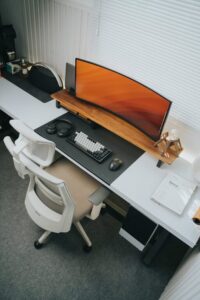
Tips for Creating a Relaxing Home Workspace to Boost Productivity and Well-being
Creating a relaxing home workspace is more important than ever, especially as many people continue to work remotely or balance work and personal life under the same roof. A well-designed workspace can improve focus, reduce stress, and make your workday more enjoyable. Here, we’ll explore practical tips to help you set up a home workspace that fosters both productivity and well-being.
Why a Relaxing Workspace Matters
A cluttered or uninspiring environment can affect your mood and ability to concentrate. Conversely, a space that feels calm and organised encourages creativity and mental clarity. When your home office is a place you feel comfortable and calm in, you’re more likely to stay motivated and get work done efficiently.
Choose the Right Location
Find a Quiet Corner
Select a spot in your home that is as free from distractions as possible. It could be a spare room, a section of your living room, or even a nook under the stairs. The key is to have a dedicated area where you can focus without interruptions.
Consider Natural Light
Natural light is beneficial for both mood and energy levels. Set up your desk near a window if possible. This not only brightens the space but can also provide a view that helps your eyes rest periodically and reduce strain from screen time.
Prioritise Comfortable and Functional Furniture
Invest in an Ergonomic Chair
Comfort is essential for long hours at your desk. An ergonomic chair that supports your back and encourages good posture can prevent discomfort and even physical pain.
Choose a Desk with Enough Space
Your desk should accommodate your computer, paperwork, and any other tools you need without feeling cramped. A tidy desk promotes a tidy mind.
Organise with Storage Solutions
Use shelves, drawers, or organisers to keep supplies and documents neatly stored and within easy reach. This helps prevent clutter from building up and keeps your workspace calming.
Add Soothing Elements to the Space
Incorporate Plants
Houseplants add a touch of nature and can help improve air quality. Their presence has been shown to reduce stress and increase productivity.
Use Soft Lighting
Alongside natural light, soft lighting from desk lamps or floor lamps can create a warm, welcoming atmosphere. Avoid harsh overhead lights that may feel clinical or tiring.
Utilise Calming Colours
Select colours for your workspace that encourage relaxation and focus. Soft blues, greens, or neutral tones are ideal as they create a peaceful environment.
Minimise Distractions
Declutter Regularly
Set aside a few minutes each day to tidy your workspace. Clearing away unnecessary items and paperwork reduces distractions and improves your workflow.
Manage Digital Interruptions
Turn off non-essential notifications on your computer and phone during work hours. Consider using focus tools or apps that help limit distractions.
Create Personal Touches
Display Meaningful Items
Add a few personal items like photos, inspirational quotes, or artwork that make you feel positive. However, keep these to a minimum to avoid overcrowding your space.
Play Gentle Background Music
If it helps you concentrate, play soft music or nature sounds at a low volume. This can mask background noise without being disruptive.
Develop Healthy Workspace Habits
Take Regular Breaks
Standing up and moving around at regular intervals helps prevent fatigue and maintains your well-being.
Stay Hydrated and Snack Mindfully
Keep water and healthy snacks nearby so you can nourish yourself without having to leave your workspace frequently.
Maintain Boundaries
Try to start and finish work at set times to avoid overworking. Having a clear separation between work and personal life enhances overall well-being.
Final Thoughts
A relaxing home workspace doesn’t need to be expensive or complicated. By carefully choosing your location, investing in comfort, adding soothing touches, and organising efficiently, you can create an environment that supports both productivity and well-being. Remember, your workspace should work for you—tailor it to your needs and preferences to enjoy better focus and a more pleasant working day.