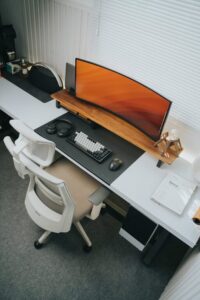
Tips for Organising a Clutter-Free Home Office to Boost Productivity
Creating a clutter-free home office is key to staying productive and feeling calm throughout your working day. A messy workspace can distract you, increase stress, and make it harder to concentrate. Fortunately, organising your home office doesn’t have to be complicated or time-consuming. With a few practical tips, you can transform your workspace into an inviting, efficient area that supports your best work and well-being.
Why a Clutter-Free Home Office Matters
A well-organised home office improves productivity by reducing distractions and streamlining your daily tasks. When everything has its place, you spend less time searching for documents or supplies and more time focusing on your work. Additionally, a tidy space can positively affect your mood and motivation, making working from home a more enjoyable experience.
Assess Your Current Space
Before organising, take a good look at your existing setup. Ask yourself:
– What items do you use daily?
– What can be stored away or removed?
– Is your furniture arranged in a way that supports your workflow?
– How does the lighting affect your comfort and focus?
Understanding these points will help tailor your organisation plan to your needs.
Declutter Regularly
One of the simplest ways to maintain an organised office is to declutter regularly.
Steps to Declutter Effectively
- **Sort items into categories**: Keep, donate, recycle, or discard.
- **Be ruthless**: If you haven’t used something in the last six months, consider parting with it.
- **Limit paper**: Go digital where possible to reduce paper clutter.
- **Tidy daily**: Spend a few minutes at the end of each day clearing your desk.
Smart Storage Solutions
Investing in proper storage helps keep your office neat and ensures items are easy to find.
Ideas for Storage:
– Shelves and cabinets: Use vertical space to store books, files, and equipment.
– Drawer organisers: Keep stationery and smaller items sorted.
– Filing systems: Label folders clearly for documents you need to keep.
– Storage boxes: Use boxes or containers for seasonal or rarely used items.
Optimise Your Desk Setup
Your desk is the heart of your workspace, so keeping it organised is vital.
– Limit items on your desk to essentials like your computer, notepad, and a few writing tools.
– Use cable organisers to prevent wires from tangling.
– Monitor stands can raise screens to eye level, improving posture and freeing up desk space.
– Desk mats or trays can keep small items contained and prevent clutter.
Create Zones for Different Tasks
Dividing your office into zones can help you stay focused and organised.
– Work zone: Your primary area with your computer and frequently used items.
– Reference zone: Shelves or filing cabinets for books, manuals, and documents.
– Supply zone: Storage for stationery, printers, and other tools.
– Inspiration zone: A small space for notes, photos, or motivational items to recharge your creativity.
Incorporate Natural Light and Plants
A bright, airy environment supports well-being and concentration.
– Position your desk near windows where possible.
– Use light curtains to reduce glare but maintain natural light.
– Add plants to improve air quality and create a calming atmosphere.
Maintain Good Ergonomics
An organised space is also one that supports your physical comfort.
– Adjust your chair height so your feet rest flat on the floor.
– Keep your keyboard and mouse at elbow height.
– Take regular breaks to stretch and move.
Use Technology to Stay Organised
Digital tools can reduce physical clutter and increase efficiency.
– Use cloud storage to keep files accessible and safe.
– Employ task management apps to track deadlines and projects.
– Use password managers to keep login information secure and tidy.
Personalise Without Cluttering
Adding personal touches makes your office welcoming but keep it minimal to avoid distractions.
– Choose a few favourite photos or artwork.
– Use a stylish but functional desk lamp.
– Select coordinated stationery for a cohesive look.
Regular Review and Adjustment
Your organisation needs may change over time.
– Set reminders every few months to reassess your setup.
– Remove items you no longer need.
– Adapt your layout to suit new work habits or equipment.
—
By taking these steps to organise your home office, you’ll create an environment that not only boosts productivity but also supports your well-being. A clutter-free, well-thought-out workspace makes working from home more efficient, enjoyable, and stress-free. Start small, stay consistent, and watch your home office transform into your productivity haven.